
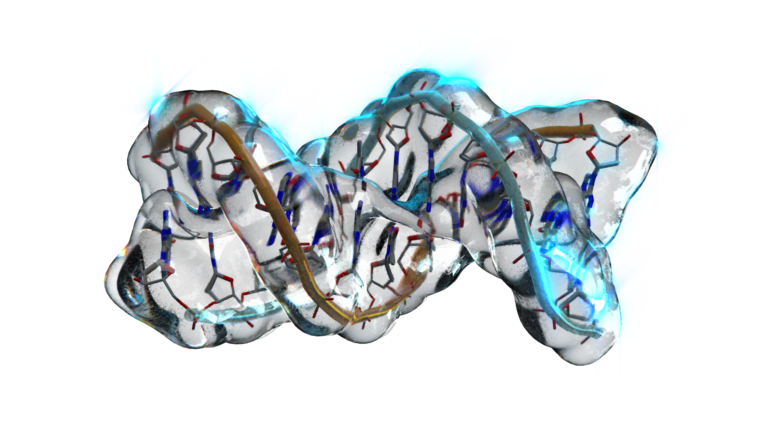
 Protein sequence alignment—comparing protein sequences for similarities—is fundamental to modern biology and medicine. It illuminates gene functions by…
Protein sequence alignment—comparing protein sequences for similarities—is fundamental to modern biology and medicine. It illuminates gene functions by reconstructing evolutionary relationships, technically called homology inference, that can inform drug development. When scientists discover or design a new protein, they can align it with known protein sequences to infer its structure and function.
 Porting existing CPU applications to NVIDIA GPUs can unlock performance gains, enabling users to solve problems at a much greater scale and speed. While the…
 The future of cell biology and virtual cell models is dependent on measuring and analyzing data at scale. Single-cell experiments have been growing at an…
 NVIDIA TensorRT for RTX is now available for download as an SDK that can be integrated into C++ and Python applications for both Windows and Linux. At…
 In the rapidly evolving robotics and edge AI landscape, the ability to efficiently process and transfer sensor data is crucial. Many edge applications are…